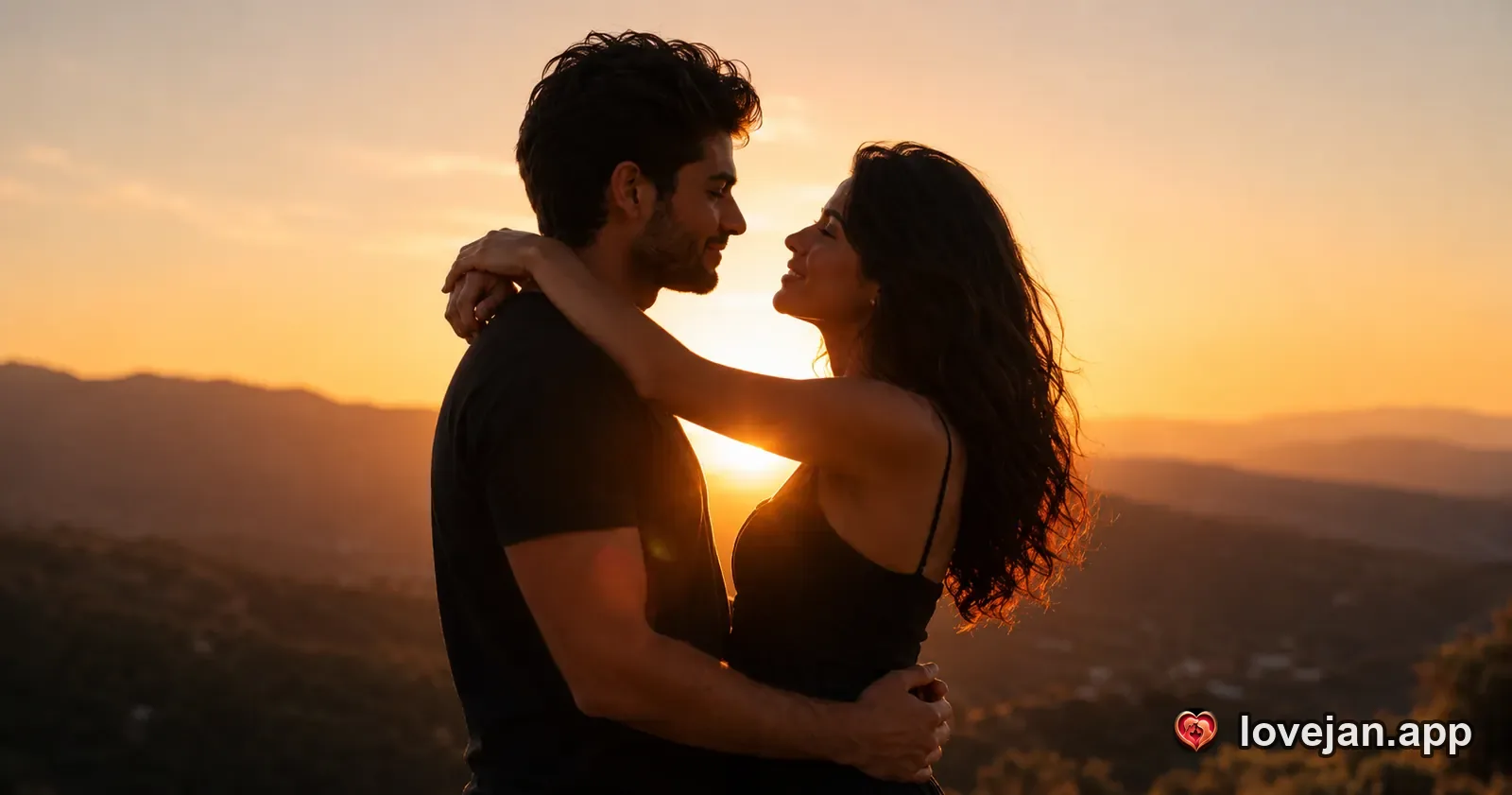
When Yalda Night falls
In 2026: the night of Monday 21 December. The December solstice arrives at 20:50 UTC that day, and Shab-e Yalda is kept on the long night the solstice marks. In practice families sit down on the evening of the 21st and stay up past midnight into the 22nd.
The date is not fixed, which is why people ask every year. Yalda follows the solstice, and the solstice drifts across 20, 21 or 22 December because a solar year runs about 365.24 days rather than a tidy 365 — and because your time zone can push the moment onto a different calendar day. In the Iranian calendar there is no ambiguity at all: Yalda is the last night of Azar, the final night of autumn, ending as Dey and winter begin.
You will see the night written several ways in English — Yalda, Shab-e Yalda, Shab-e Chelleh, shabe yalda, shab yalda. They are all the same night; the transliteration just has not settled.
What Yalda actually is
Yalda comes from a Syriac word meaning birth — the rebirth of the sun after the year’s longest darkness. The other name, Shab-e Chelleh (شب چله), means “night of forty” and marks the beginning of the first forty days of winter. One name says what is being born; the other says what is beginning.
The celebration is pre-Islamic and is generally traced to Zoroastrian Iran, where the return of light after the longest night was worth staying awake for. It is often linked to Mithra, though how directly is something scholars still argue about. What is not in dispute is how durable it has been: through empires, religions and revolutions, Iranians have kept sitting up on the longest night of the year. In 2022 UNESCO inscribed Yaldā/Chella on its Representative List of the Intangible Cultural Heritage of Humanity, in a joint nomination by Iran and Afghanistan.
The logic underneath it is almost aggressively sane. The darkest point of the year is a fact you cannot argue with, so you do the one thing that makes it bearable: you refuse to be alone for it, and you note out loud that everything after tonight gets lighter.
The table: why everything is red
A Yalda spread is built around colour. Red stands for the flush of dawn and the return of life, so the table fills with it:
- Anar (انار), pomegranate — the emblem of the night. Often served in a bowl of loose seeds, sometimes dusted with golpar and salt.
- Hendooneh (هندوانه), watermelon — kept from summer for exactly this night, and carrying a second belief: eat it on Yalda and the cold months will not make you ill.
- Ajil (آجیل) — the mix of nuts and dried fruit that everyone picks at for hours. Ajil-e Shab-e Yalda is its own category in Iranian shops.
- Beetroot, jujube and grapes, which appear on many tables alongside the two headliners.
- A lamp and a bowl of water in more traditional settings — light, and cleanliness.
Then there is dinner, which is simply the good food: often ash, rice dishes, whatever the house is known for. The eating is not really the event. It is the reason to stay at the table for five hours.
Fal-e Hafez: asking a poet for an answer
The ritual most guests remember is fal-e Hafez (فال حافظ). Someone takes the Divan of Hafez, the fourteenth-century poet from Shiraz, holds it, makes a silent wish or asks a question, and opens the book at random. The ghazal on that page is read aloud, and the room interprets it as the answer.
By custom the eldest person present opens the book while everyone else keeps quiet. Interpretation is a group activity, and a deliberately generous one — Hafez is ambiguous enough that a skilled reader can find encouragement in almost any page, which is arguably the point. It sits somewhere between fortune-telling and a party game, and nobody feels obliged to resolve which.
Some families read Shahnameh instead or as well. If you are attending as a guest and want to know one thing about the night, know this one: when the book comes out, stop talking.
How to say happy Yalda
Shab-e Yalda mobarak — شب یلدا مبارک — “happy Yalda Night.” The shorter Yalda mobarak (یلدا مبارک) is fine too.
To make it personal rather than general, Shab-e Yalda-t mobarak addresses one person instead of a room — worth the extra syllable if you are sending it to someone specific. More phrases like this are in our guide to saying “I love you” in Persian, and to Persian terms of endearment.
Yalda away from Iran
In Tehrangeles and across the diaspora, Yalda usually moves to whichever night of that week everyone can actually make. Persian markets in Westwood and Irvine stock watermelons in December specifically for it, which is its own quiet act of cultural persistence. Community centres and university Persian student associations run public Yalda nights, and those are among the easier events for a non-Iranian partner to attend — there is food, there is poetry, and nobody expects you to know what is happening.
If you are invited to a family Yalda: bring pomegranates or good ajil, greet the eldest people in the room first, and do not plan to leave at ten. The night is the point.
The night for two
Yalda is a family night before it is a romantic one — but it is also, structurally, the most romantic date in the Persian calendar. The longest night of the year, spent deliberately awake with someone, eating pomegranates and asking a poet whether it is going to work out. Nobody designed it as a love story and it keeps turning into one anyway.
Which is a strange thing to be single for. If this is the year you would rather not spend it at your cousin’s table answering questions, LoveJan is a dating app built for Persian and Iranian singles: profiles need verification approval to appear in Discover before they can appear in Discover, your photos can stay private until you match, and matching and messaging are free. The Persian Dating Guide covers the culture side, and if things go well, Persian wedding traditions covers what comes after.
Don’t spend the longest night alone.
Meet verified Persian & Iranian singles before Yalda — download LoveJan free on the App Store or Google Play and get verified in minutes.
Frequently asked questions
When is Yalda Night 2026?
Monday 21 December 2026, carrying into the early hours of the 22nd. The December solstice falls that day at 20:50 UTC.
Why does the date of Yalda change each year?
Yalda follows the December solstice, which drifts across 20–22 December because a solar year is about 365.24 days, and because time zones can move the moment onto a different calendar day. In the Iranian calendar it never moves: it is the last night of Azar.
What is Shab-e Yalda?
The Persian celebration of the longest night of the year. Families gather at the eldest relative’s home and stay awake together past midnight, eating red fruit — pomegranate and watermelon — sharing nuts and dried fruit, and reading poetry, usually Hafez. The idea underneath it is simple: the longest night is the darkest point, and everything after it gets lighter, so you sit through it in company rather than alone. It is also called Shab-e Chelleh.
What does Yalda mean?
“Birth,” from Syriac — the rebirth of the sun. Shab-e Chelleh, the other name, means “night of forty,” for the forty days of deep winter it opens.
What is fal-e Hafez?
Opening the Divan of Hafez at random after making a silent wish, and reading the poem as your answer. Traditionally the eldest person opens the book.
Why pomegranate and watermelon on Yalda?
Both are red, for the colour of dawn and returning life. Watermelon carries the extra belief that eating it on Yalda keeps you well through winter.
How do you say happy Yalda in Persian?
Shab-e Yalda mobarak (شب یلدا مبارک), or just Yalda mobarak.
Do you have to be Iranian to celebrate Yalda?
No. It is cultural rather than religious, kept across faiths and by Afghans, Tajiks and others. UNESCO added Yaldā/Chella to its intangible heritage list in 2022. Bring pomegranates.
The Persian Dating Guide → · Persian wedding traditions → · Back to LoveJan home